Autumn Travel Challenges - 15 Smart Ways To Handle Them
Fall travel offers some of the year's most breathtaking experiences, but it also presents unique challenges that can turn dream trips into stressful ordeals. The shoulder season between summer's predictability and winter's harsh conditions creates a perfect storm of variables that catch even experienced travelers off guard.
The good news? Every autumn travel challenge has a solution. With the right preparation and mindset, you can navigate unpredictable weather, beat peak foliage crowds, and turn potential setbacks into unexpected adventures. This article tackles most common fall travel challenges and gives you practical strategies to overcome each one.
Key Takeaways
- Weather in fall changes quickly, so pack flexible clothing and always have backup plans.
- Peak foliage season means higher prices and bigger crowds, so book early or choose less busy dates.
- Shorter daylight hours require adjusting your schedule and paying extra attention to safety.
- Equipment needs can shift with changing temperatures and seasonal activities.
- Transportation schedules often change in autumn, so confirm routes and book accommodations in advance.
- Budgeting becomes tricky because of seasonal price increases and hidden costs.
- Timing is very important, so learn about regional peak seasons to get the best experience.
1. Unpredictable Weather Patterns
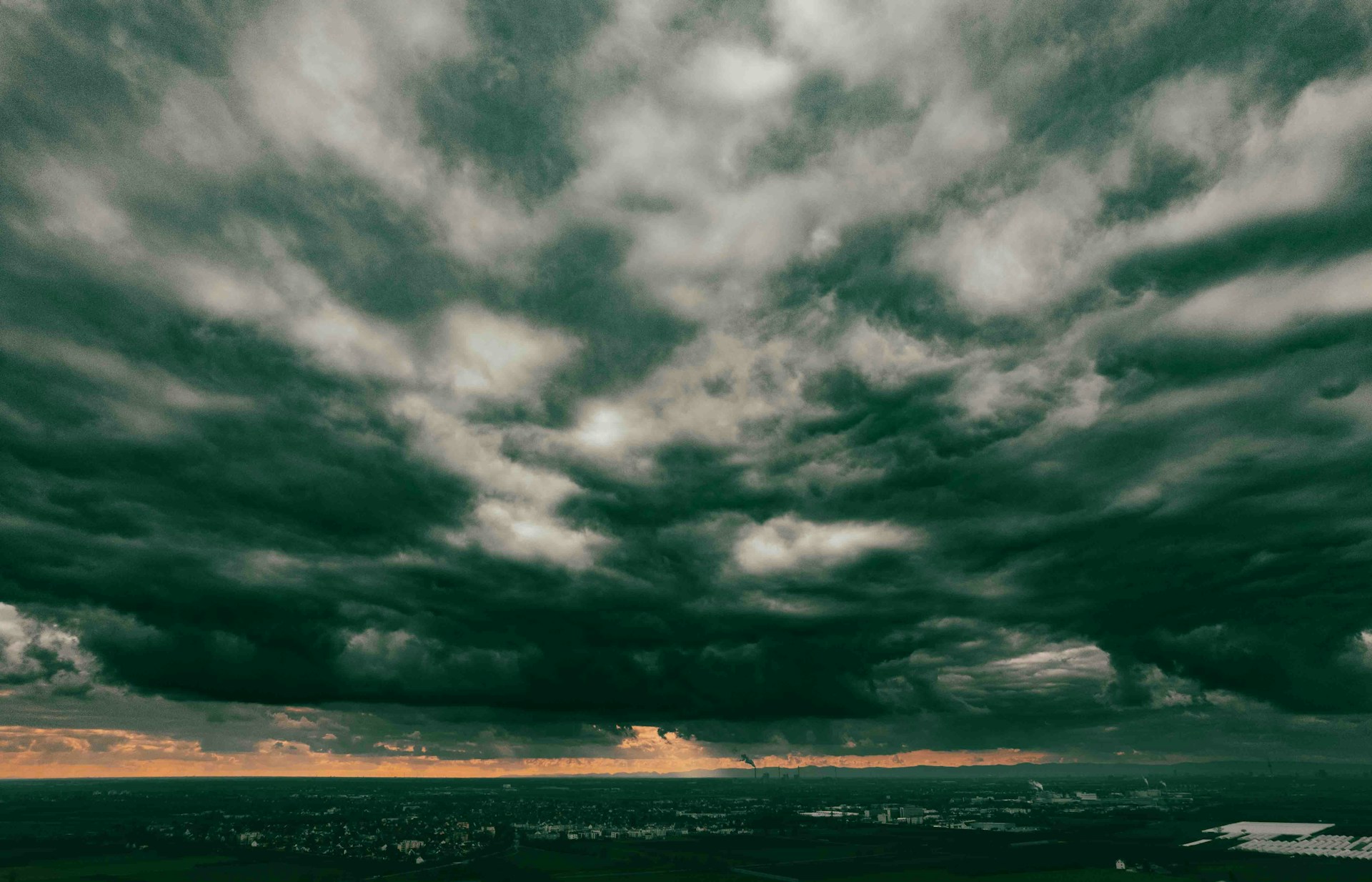
Fall weather is often full of surprises. One day it might be warm and sunny, and the next day it could turn cold with rain or even a chill in the air. This constant change can be frustrating for travelers who want to plan ahead.
The Solution:Accept that the weather will not always be predictable and make it part of your adventure. Always check forecasts from different sources, but do not depend on them completely. Pack clothes that cover a wide range of about 30 degrees in temperature and always bring waterproof items. Plan flexible daily schedules and include indoor activities as backups.
2. Packing For Temperature Swings
Packing for fall can feel like packing for every season at once. You might wake up to frost, enjoy warm afternoons, and end the day with cold evenings. Many travelers either bring too much or do not have the right clothes when the temperature changes suddenly.
The Solution:Learn to layer your clothing. Bring light base layers, warm middle layers, and protective outer layers. Choose pieces that can be worn together, such as merino wool for the base, fleece or down for warmth, and waterproof jackets on top. Stick to three main color choices so you can mix and match easily.
3. Shorter Daylight Hours
In October, the days feel shorter. The sun rises later in the morning and sets earlier in the evening, making it difficult to fit in long sightseeing plans. This can be a real problem for people who want to take photos during the golden hours of light.
The Solution:Match your schedule to the available daylight. Plan outdoor activities between 10 AM and 4 PM when the light is best. Choose accommodations with good lighting for comfort in the evenings. Check sunrise and sunset times for your destination and plan photo sessions around them. You can also choose southern locations, where daylight lasts longer later in the season.
4. Peak Foliage Crowds
When leaves reach their most colorful stage, large crowds gather in the most popular places. National parks get crowded, scenic roads become full of traffic, and autumn hiking trails in Europecan feel as busy as city streets.
The Solution:Avoid peak times and crowded trails. Visit popular spots during weekdays or find lesser-known places with equally beautiful scenery. Check foliage dates for different elevations and regions to find quieter times. Book accommodations early, or explore smaller autumn travel destinationsthat attract fewer visitors.
5. Accommodation Price Surges
During peak foliage season, hotel prices often double or even triple compared to summer. Popular areas also add minimum stay rules, which makes short weekend trips costly and less flexible.
The Solution:Book well in advance or plan your trip during shoulder seasons when prices are lower. Consider vacation rentals, bed and breakfasts, or camping as alternatives. Look for towns outside the main tourist spots where rates are more reasonable but the views are still amazing. Use tools that track prices and stay flexible with your travel dates.
6. Last-Minute Booking Difficulties
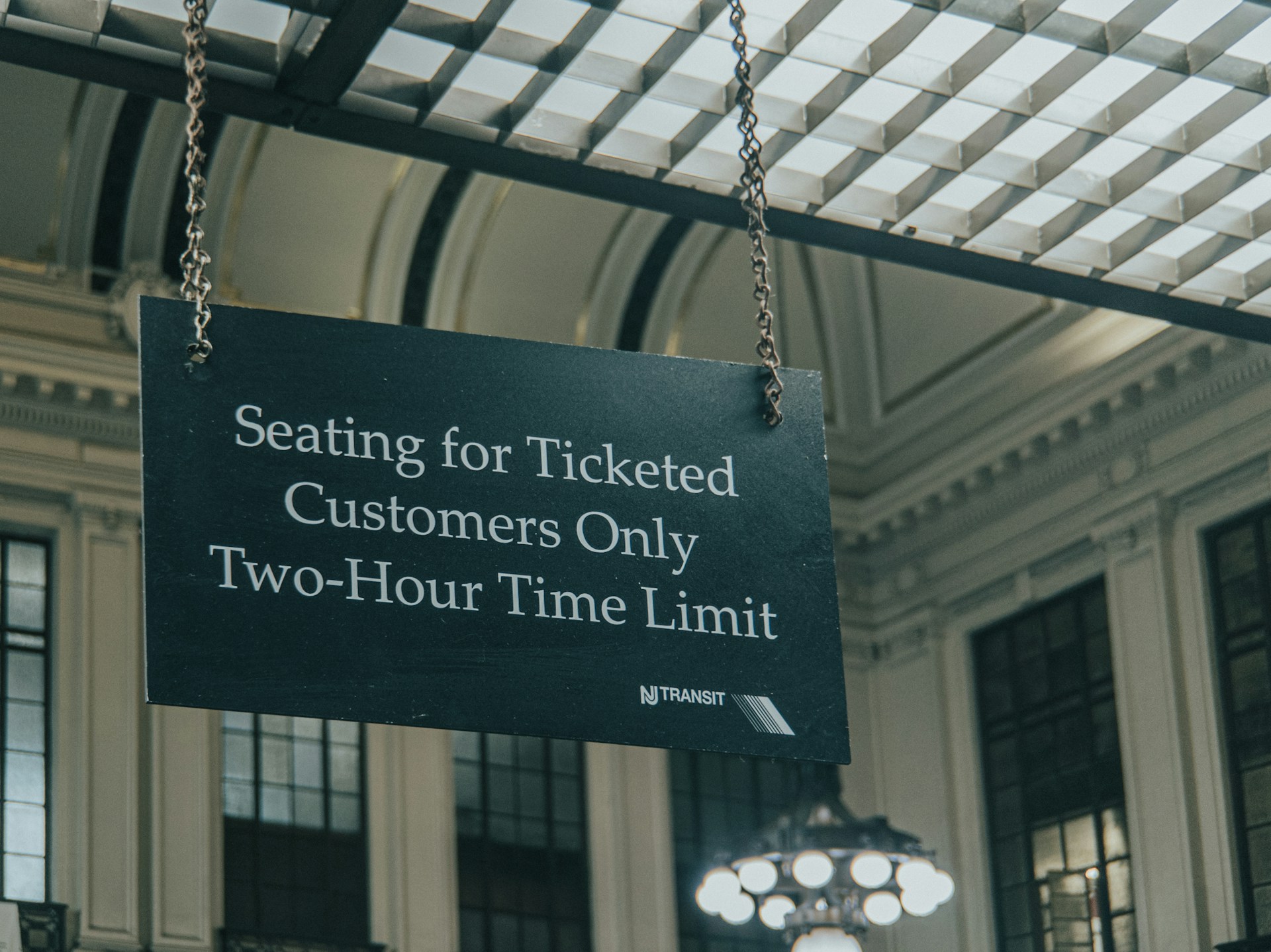
Spontaneous trips in the fall are hard to arrange in popular areas. Hotels sell out months before, rental cars become unavailable, and even restaurant reservations are hard to find during busy times.
The Solution:For popular places, plan ahead. For less crowded areas, keep your options open. Keep a list of backup destinations that do not require reservations. Travel insurance can help if you need last-minute changes. Contact local tourism boards for insider tips on availability.
7. Equipment And Gear Confusion
Fall activities can cover many types of weather and conditions. Hikers may need warm layers or even snow gear. Photographers may need special filters or protection for their cameras. This often leads travelers to either bring too much or forget important items.
The Solution:Create lists based on the activities you plan to do. Check what weather is normal for your destination and prepare for it. Rent special gear if you will only use it once. Bring items that can serve more than one purpose, such as a good rain jacket that also works as a windbreaker.
8. Seasonal Transportation Changes
In the fall, transportation options often change. Ferries may run less often, mountain roadsmay close because of weather, and some tours may stop operating until the next season. Visitors from other countries often do not expect these changes.
The Solution:Double-check travel schedules close to your trip. Always have alternate routes planned. If you are driving, consider renting a car with all-wheel drive or snow tires. Book important travel parts early and confirm them again one or two days before you leave.
9. Safety Risks In Changing Conditions
Fall can create risks that travelers might not think about. Wet leaves make trails slippery, early snow can hide trail markers, and fast-changing weather can catch hikers off guard. Shorter daylight hours can also leave people outside in the dark unexpectedly.
The Solution:Put safety first. Carry supplies such as flashlights, extra batteries, emergency blankets, and ways to communicate. Learn to watch weather and trail conditions carefully. Begin your outdoor activities earlier in the day. Always let someone know your plans and when you expect to return.
10. Activity Availability Changes
Many businesses close or reduce hours between summer and winter. Boat tours, outdoor adventure companies, and other attractions may not be available in the fall.
The Solution:Check the operating hours of the activities you want to do. Contact businesses to confirm if they are open. Always have backup ideas for each day. Look for places that celebrate fall with special activities such as apple picking, harvest festivals, or hiking, which are often best enjoyed in this season.

11. Photography Lighting Challenges
The angle of the sun in fall and cloudy skies can make lighting more difficult for photography. Peak foliage often happens during gray, rainy days, which can reduce the brightness of the colors. Many photographers feel disappointed when their photos do not look as vivid as what they saw.
The Solution:Use the lighting conditions to your advantage. Clouds create even lighting that can actually make colors look richer. Try side lighting or backlighting for creative shots. Polarizing filters can help reduce glare and improve colors. Focus on the mood that different lighting brings rather than waiting for perfect weather.
12. Health And Comfort Issues
Fall weather changes can cause allergies, dry air, and immune system stress. Many travelers find themselves with breathing problems, feeling dehydrated, or simply worn down.
The Solution:Bring essentials for your health, such as allergy medication, moisturizers, and vitamins to support your immune system. Drink water regularly even if the weather feels mild. Wear layers to keep your body at a comfortable temperature. Make sure you rest well and eat healthy foods to stay strong during your trip.
13. Budget Planning Complications
Costs for fall travel can change a lot depending on timing, location, and activities. Weekends during peak foliage are very expensive, while mid-week rates can be much cheaper. Extra costs such as heating fees, seasonal activities, and weather-related delays can quickly raise your expenses.
The Solution:Research the full range of costs for your destination. Add 20-30% extra in your budget for unexpected expenses. Look for package deals that include food, lodging, and activities. Longer trips may make high accommodation costs more worthwhile. Another option is to choose places where fall is less popular, so prices stay lower.
14. Timing Your Trip Perfectly
The best time to see fall colors changes with elevation, latitude, and weather. Online predictions can be helpful, but they are not always correct. Many travelers end up arriving too early or too late.
The Solution:Remember that peak foliage dates are only estimates. Follow local reports and social media for real updates. Plan flexible dates if possible. Choose routes that pass through different elevations so you can catch the best colors at multiple points in your trip.
15. Dealing With Rainy Days
Rain is more common in the fall, and it can ruin outdoor plans if you are not prepared. In rural areas, where most attractions are outdoors, it can be hard to find indoor activities to replace them.
The Solution:Look up indoor options before your trip. Bring along books, games, or crafts for relaxing indoors. Take advantage of rainy days by visiting museums, cozy cafes, or capturing dramatic photos of the weather. Choose destinations that offer both outdoor beauty and good indoor attractions.
Essential Fall Travel Preparation Strategies
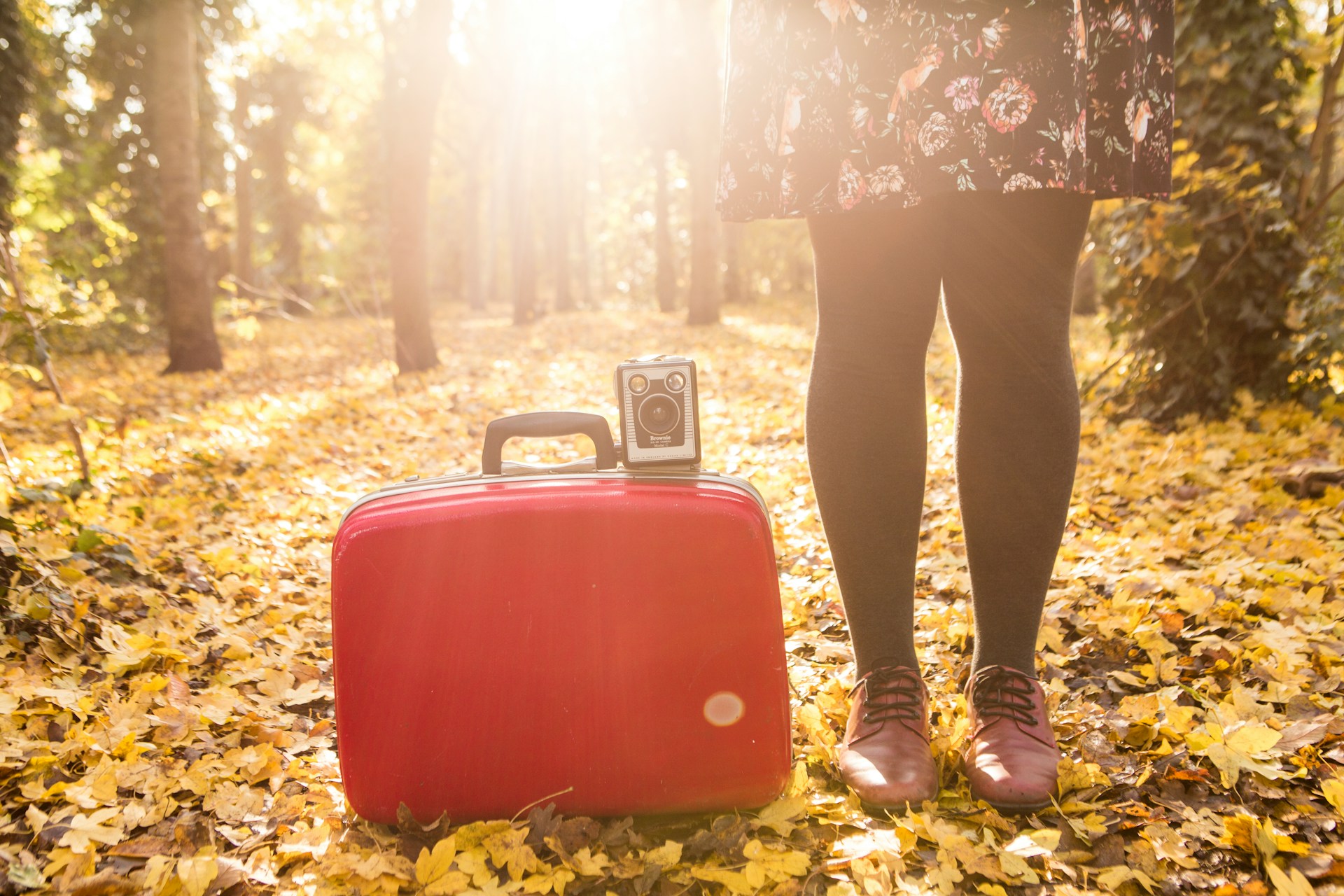
Planning a trip in the fall requires more than the usual vacation arrangements. It helps to do extra research about your destination. Find out when the leaves are at their brightest colors, what the normal weather range is during your travel dates, and which local festivals or events might affect both the size of the crowds and the prices.
Think of fall planning as an adventure puzzle;every piece matters, from transportation to gear, weather forecasts, and cultural events. When you fit them together, you create a smoother trip and a richer travel experience.
Build a schedule that allows for flexibility and extra time. Instead of planning every single hour, leave some space for weather changes, unexpected discoveries, or simply slowing down to enjoy the season. Book your hotel and transportation early if you are going to popular places, but keep your daily activities open enough so you can adjust as needed.
Stay connected with local tourism offices, weather services, and social media groups that focus on the area you are visiting. These sources give you real-time updates and insider information. They can help you make better decisions, adjust your plans quickly, and discover experiences that you might not find in regular guidebooks.
Maximizing Your Autumn Adventure Experience
The secret to enjoying fall travel is accepting the changes that come with the season instead of fighting against them. If the weather delays your plans, you can use that time to explore indoor attractions. When hiking trails are too crowded, you may discover quiet hidden paths. If your gear does not work out as planned, you learn valuable lessons that make you better prepared for your next trip.
Try to change your way of thinking from controlling every detail to being ready to adapt to whatever happens. This shift in mindset can turn what might feel like setbacks into genuine adventures. Keeping a travel journal can make the experience even more meaningful. Write not only about the places you visit but also about how you solve problems and adjust to surprises along the way.
Another way to make your trip special is by connecting with local people. They know the seasonal rhythms better than anyone else. Locals can suggest the best activities when the weather is not ideal, guide you to quiet areas where the fall colors are just as beautiful without the crowds, and recommend restaurants that serve warm and comforting meals that are perfect for cool autumn evenings.
FAQs About Autumn Travel Challenges
Why Is Autumn The Best Season To Travel?
Traveling during off-peak seasons can lead to lower prices for flights, accommodations, and attractions, making it more budget-friendly.
Which Country Is Best To Visit In Autumn?
The best countries to visit in the fall depend on what you like. Nature lovers will love Canada or the Swiss Alps; if you have a love for culture, you might enjoy Italy or Japan. For the purpose of relaxation, Austria might be the way to go.
What's The Biggest Mistake People Make When Planning Fall Travel?
The biggest mistake is over-scheduling and under-preparing for weather variability. Many travelers plan summer-style itineraries without accounting for shorter daylight hours, potential weather delays, and the need for more flexible timing.
What's The Most Versatile Piece Of Equipment For Fall Travel?
A high-quality, packable rain jacket serves multiple purposes; wind protection, light insulation, and weather barrier. Look for breathable options with good ventilation systems.
Is Fall Travel Insurance Worth The Cost?
Fall travel insurance becomes more valuable due to weather unpredictability and seasonal business closures. Look for policies that cover weather-related delays, activity cancellations, and equipment replacement.
Conclusion
Fall travel is full of surprises, and that is exactly what makes it so rewarding. Every challenge you face becomes part of your story, giving you confidence and memories that outlast even the most perfect photos.
The travelers who truly enjoy autumn are the ones who prepare carefully but welcome change with an open heart. Your next autumn adventure is waiting for you, filled with both challenges and treasures. You may just discover why fall is the season that so many travelers hold closest to their hearts; not despite its imperfections, but because of them.