15 Best Autumn Music Festivals In Europe I Experienced Firsthand
Standing in the cool October air at Amsterdam Dance Event, with electronic beats mixing into the golden autumn leaves, I felt the magic of music in Europe’s fall season. After five years of exploring the continent’s best autumn festivals, I’ve learned they offer something very different from the crowded summer ones.
Autumn festivals in Europe have become my true passion. While most people head to summer events, fall brings smaller crowds, amazing lineups, and a unique energy that comes from music blending with the season’s change.
Now I want to share my journey through unforgettable festivals that changed how I see autumn in Europe. Each one gave me lasting memories, and I hope they’ll inspire your own festival adventures too.
1. Amsterdam Dance Event (ADE) - Amsterdam, Netherlands
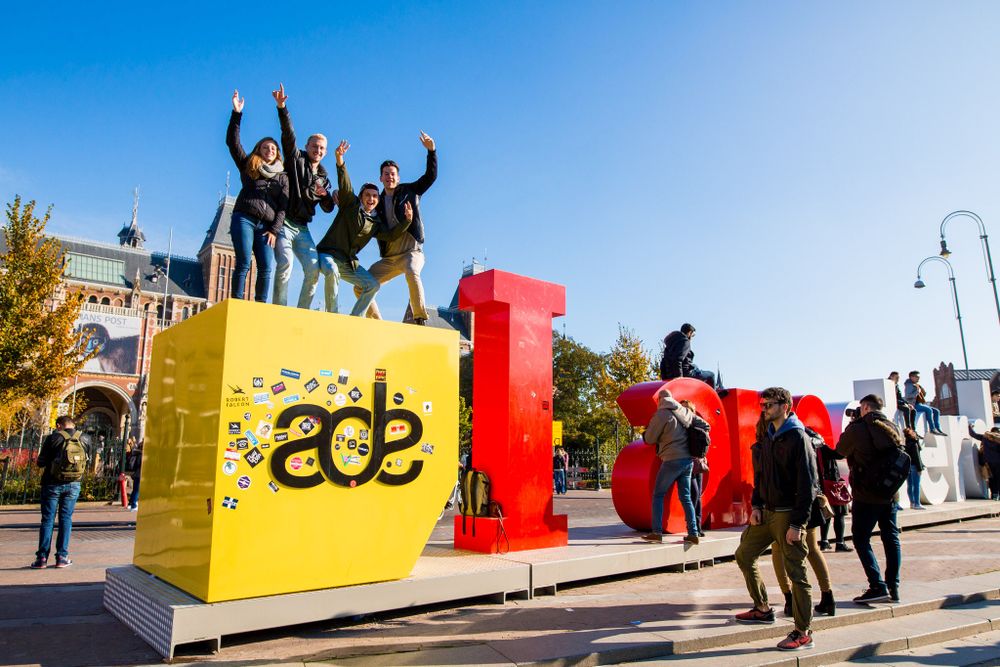
My favorite autumn music experience takes place in Amsterdam. ADE is more than just a festival for me. It’s five full days of electronic music that completely amazed me from the moment I got off the tram. ADE also stands out as one of the biggest music festivals in Europe in October, making it the highlight of the autumn season for electronic fans.
Walking through Amsterdam during ADE feels like stepping into another world. Every place, from small basement clubs to huge concert halls, is alive with electronic beats. I’ve never felt anything like moving from the Concertgebouw to a warehouse in Noord, hearing everything from calm techno to heavy bass.
What I love most about ADE is the mix of day and night. In the day, I join conferences and workshops with big names in the industry. At night, I dance until sunrise in spots I didn’t even know existed. Even with more than 400,000 people attending, it never feels too much because the events are spread all over the city.
My best moment was seeing Carl Cox at RAI Amsterdamin 2023. The energy in that huge space, mixed with the cool autumn vibe outside, made it feel truly magical.
2. Iceland Airwaves - Reykjavík, Iceland
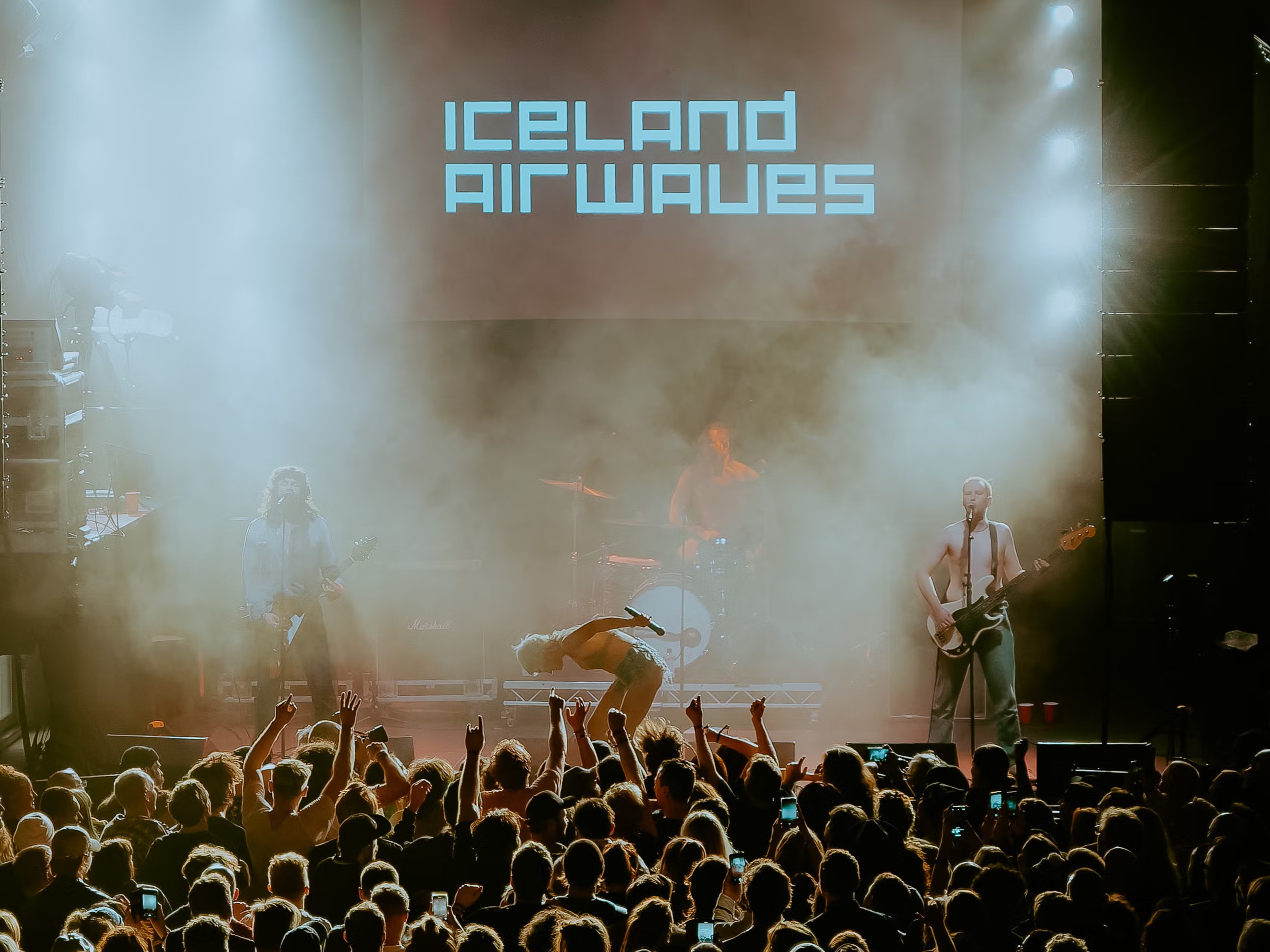
November in Iceland might sound tough, but Iceland Airwaves gave me the most unique festival experience in Europe. I wrapped myself in my warmest clothes and found something truly special waiting in Reykjavík’s small venues.
The festival takes place across different spots in downtown Reykjavík, almost like a musical pub crawl. For four days, I moved between Harpa Concert Hall, Gamla Bíó, and tiny places I could not even pronounce. Each stop felt different, with shows ranging from experimental Icelandic bands to well-known international indie groups.
What amazed me most was how the festival treated big names and new artists the same. I found some of my new favorite bands in rooms with barely 200 people. The creativity of the Icelandic music scene really impressed me because these artists are not afraid to try new things and push limits.
Because it happens in November, I even had the chance to see the Northern Lights between shows. One night at 2 AM, standing outside Harpa after an amazing set, I looked up and watched green lights dance across the sky.
3. Le Guess Who? - Utrecht, Netherlands
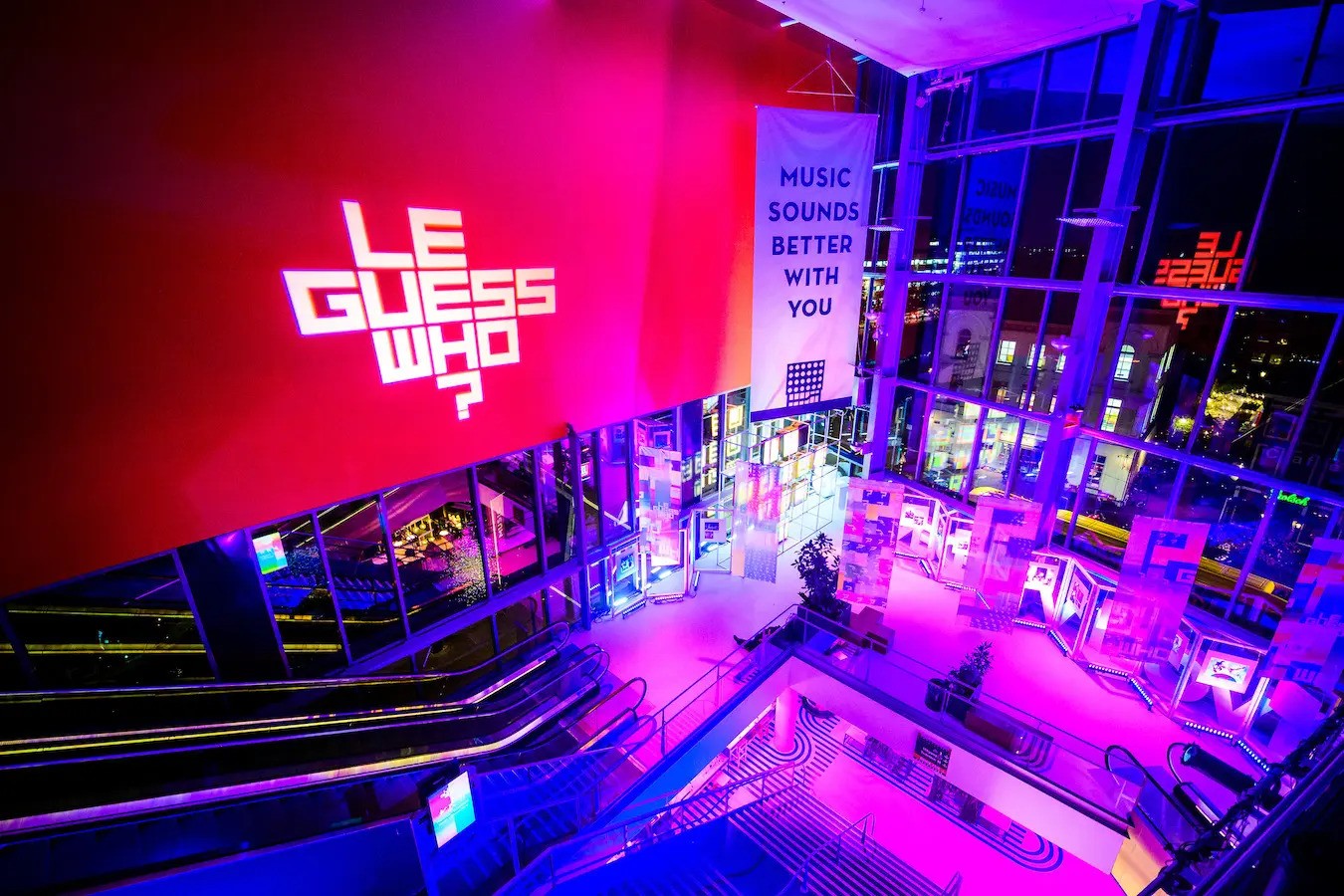
Utrecht is one of my personal music discovery paradise during Le Guess Who?. Four days of the most eclectic programming I have ever experienced at a European festival made this event unforgettable.
What fascinated me right away was the curatorial approach. Instead of choosing obvious headliners, the festival invites artists to create their own programs. Because of this, I could go from experimental noise music to traditional folk and then to avant-garde jazz, all in the same night.
I also loved how the festival used unusual venues across Utrecht. I saw shows in churches, museums, and old warehouses. The acoustics in Domkerk amazed me during a solo piano performance. In that packed cathedral, I could hear every breath.
For me, music festivals in November Europe do not get much better than this when it comes to artistic discovery. I left with a completely expanded taste in music and a notebook full of new artists to explore.
4. Flow Festival - Helsinki, Finland
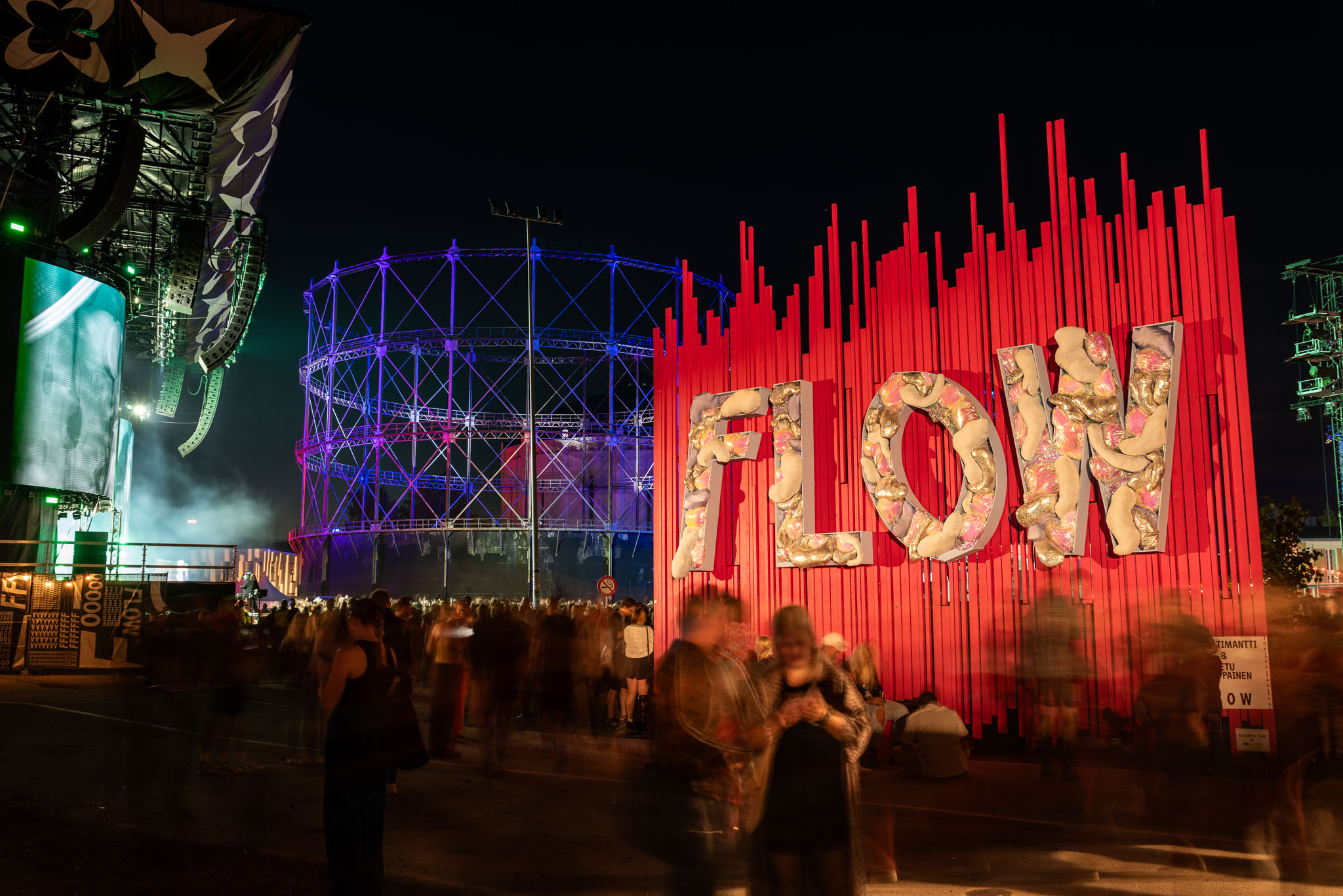
Flow Festival in Helsinki’s Suvilahti felt like the perfect mix of music, food, and atmosphere. The old power plant setting gave it a unique backdrop that made the whole experience stand out.
What struck me right away was the lineup. The festival moved across genres with ease. I danced to electronic music on the Forest stage, enjoyed indie rock on the main stage, and discovered Finnish hip hop that completely changed how I see the Nordic musicscene.
The event happens right at the turning point between summer and autumn, when warm days slowly give way to cooler nights. That timing gave the festival an extra special atmosphere.
I was also deeply impressed by Flow’s focus on sustainability. Every cup, plate, and utensil was compostable. Local Finnish food vendors served amazing reindeer dishes and traditional pastries that kept me going between sets. The attention to detail was everywhere.
My biggest highlight was seeing Jamie xx as the sun set over Helsinki’s skyline. The mix of the music, the golden hour light, and the perfect sound created one of my top five festival memories ever
5. Dockville Festival - Hamburg, Germany
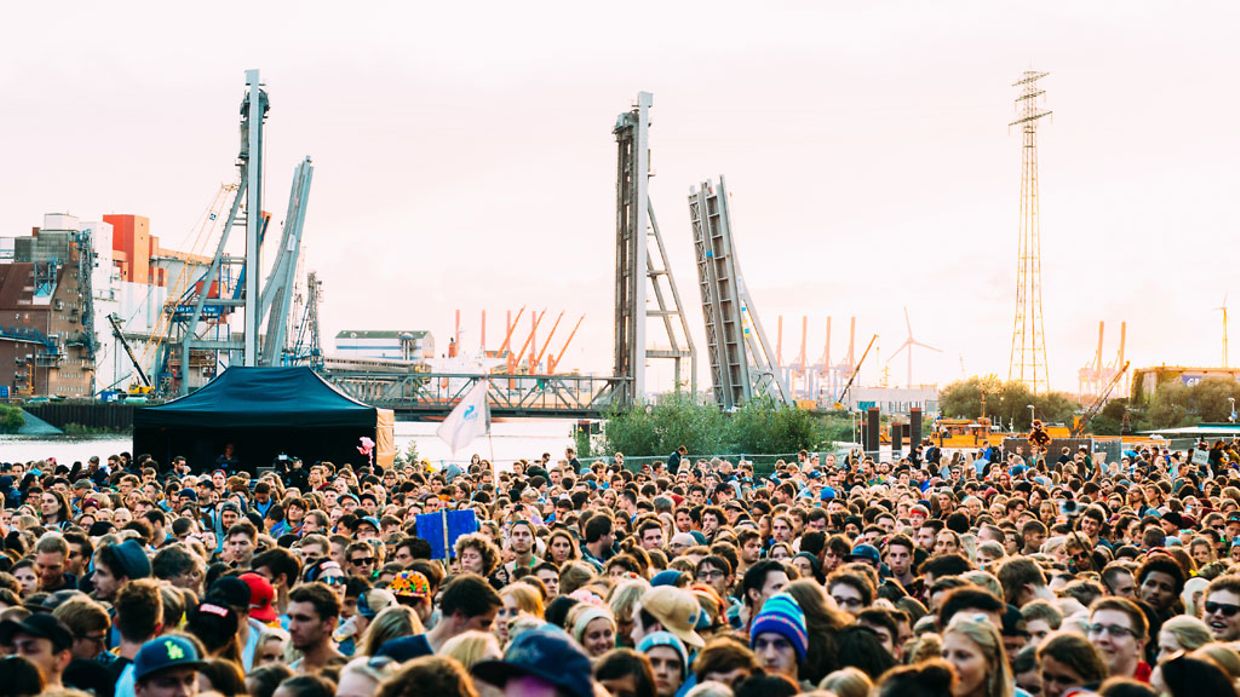
Dockville in Hamburg completely changed how I think about city festivals. Built on Wilhelmsburg islandin the Elbe River, it creates an atmosphere that feels close and personal, something larger events cannot always offer.
The size of the festival works just right. With about 50,000 people across two days, it never feels overwhelming, yet the energy is always there. I loved being able to move from the main stage to smaller ones in just a few minutes, catching different acts without long walks.
The event happens in September, a time when Hamburg’s weather is perfect for being outdoors. Temperatures in the low 60s made dancing comfortable, and the river breezes felt refreshing during more energetic sets. It’s also one of the most enjoyable music festivals in Europe in September, thanks to Hamburg’s perfect early-autumn climate.
What stood out most to me was the balance of the lineup. Many autumn festivals in Europe focus on heritage acts, but Dockville gives space to both established artists and new talent. I discovered several German indie bands here that quickly became new favorites.
Related: Best Autumn Travel Destinations For Spectacular Fall Experiences
6. Berlin Music Week - Berlin, Germany
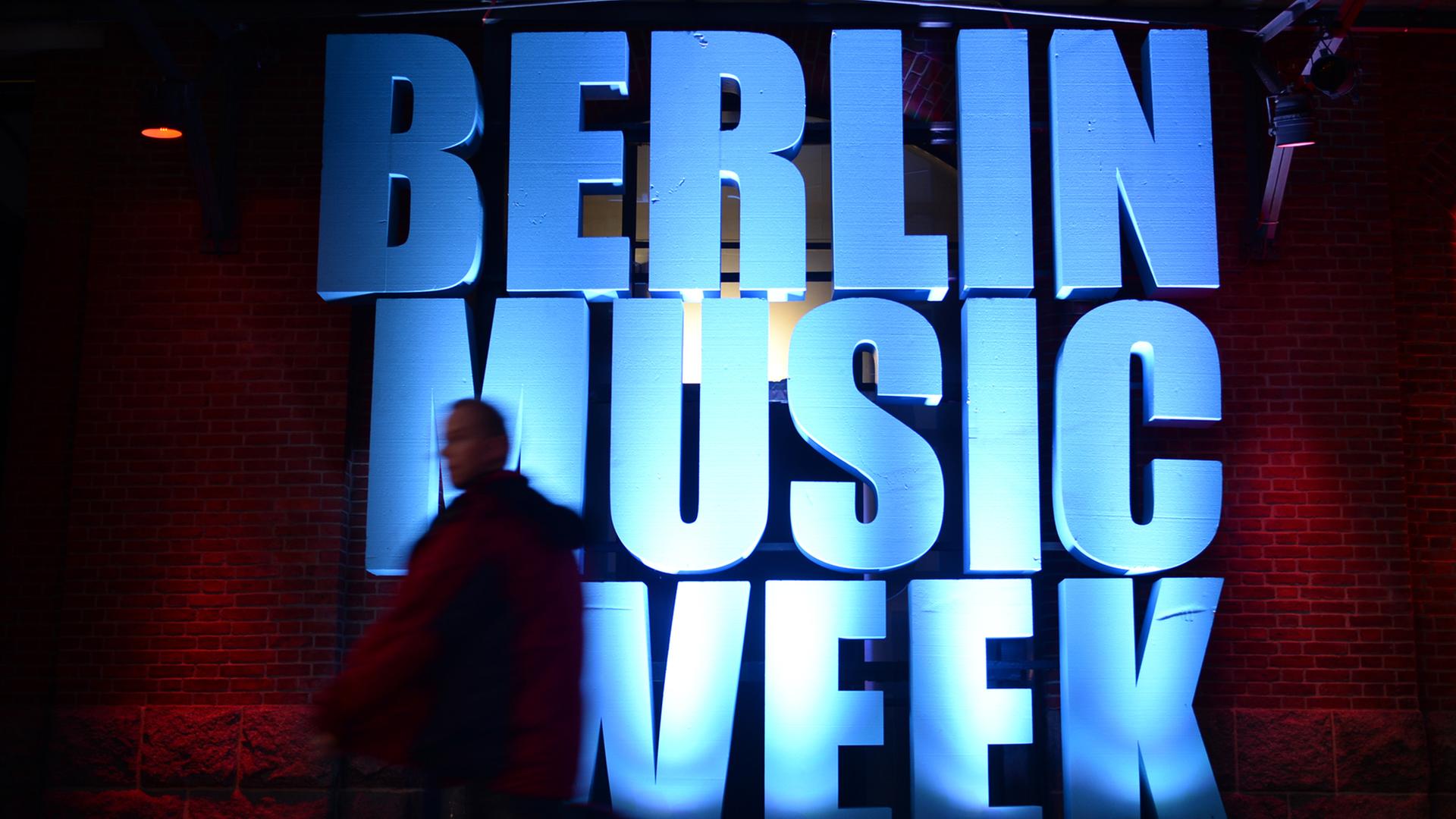
Berlin Music Week showed me a completely new way to experience a festival. It is not a single event in one place but a city-wide celebration that turns Berlin into a goldmine for music discoveries.
The format gave me incredible freedom. Instead of staying in one spot, I explored the city’s famous club scene through a week of showcases, conferences, and special events. From Berghain to tiny basement venues in Kreuzberg, every night felt different.
The event happens in September, which made the city feel even more alive. What stood out most was how Berlin Music Week mixed the business side of music with live performances. During the day I joined panels and learned about new trends. At night I saw those same trends come to life in the clubs. That mix made the whole experience deeper than just partying.
My favorite moment was discovering a midnight electronic set in a former power plant. The industrial setting, paired with world-class sound design, created an atmosphere that only Berlin could offer. For me, music festivals in Europe at this time of year do not get more authentically underground.
7. Pitchfork Music Festival Paris - Paris, France
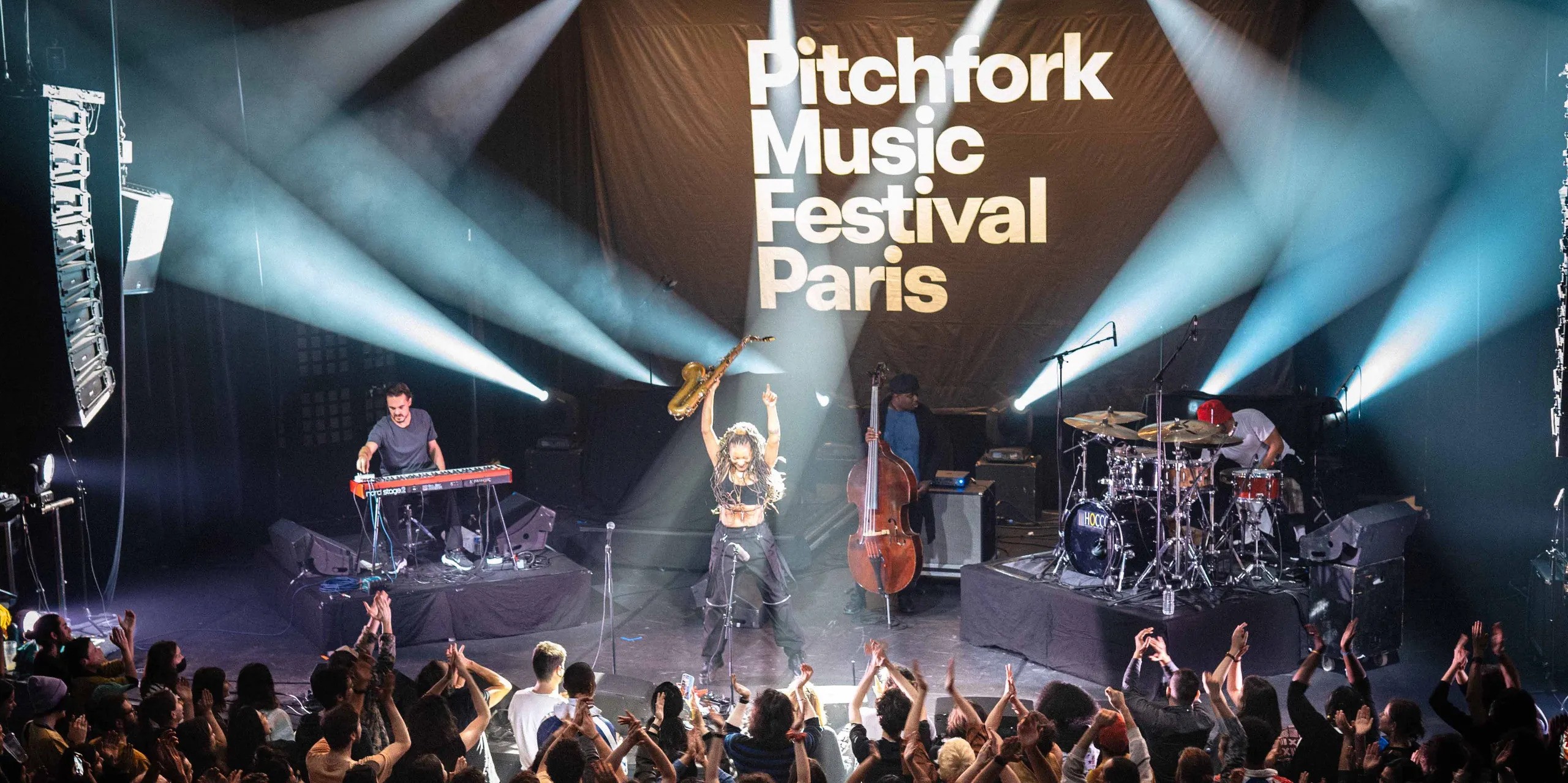
Pitchfork Music Festival in Paris quickly became one of my favorite events in Europe. I have gone three times because the lineup is always so carefully chosen. It takes place at Grande Halle de la Villette, an indoor venue that works perfectly for autumn weather. October in Paris can be unpredictable, but with covered spaces the music is never interrupted by rain. The industrial hall has great acoustics and several stages where the sound never overlaps.
The programming feels like the magazine itself, thoughtful and precise. Every act seems handpicked rather than booked just for commercial appeal. I have discovered more new favorite artists here than at any other festival. The mix of experimental acts, indie favorites, and emerging artists feels perfectly balanced.
Even the food adds to the experience. Vendors inside serve proper French cheese plates and craft beer from local breweries. Between sets I enjoyed food that felt far beyond the usual festival snacks, which made the whole event feel even more special.
8. Way Out West - Gothenburg, Sweden
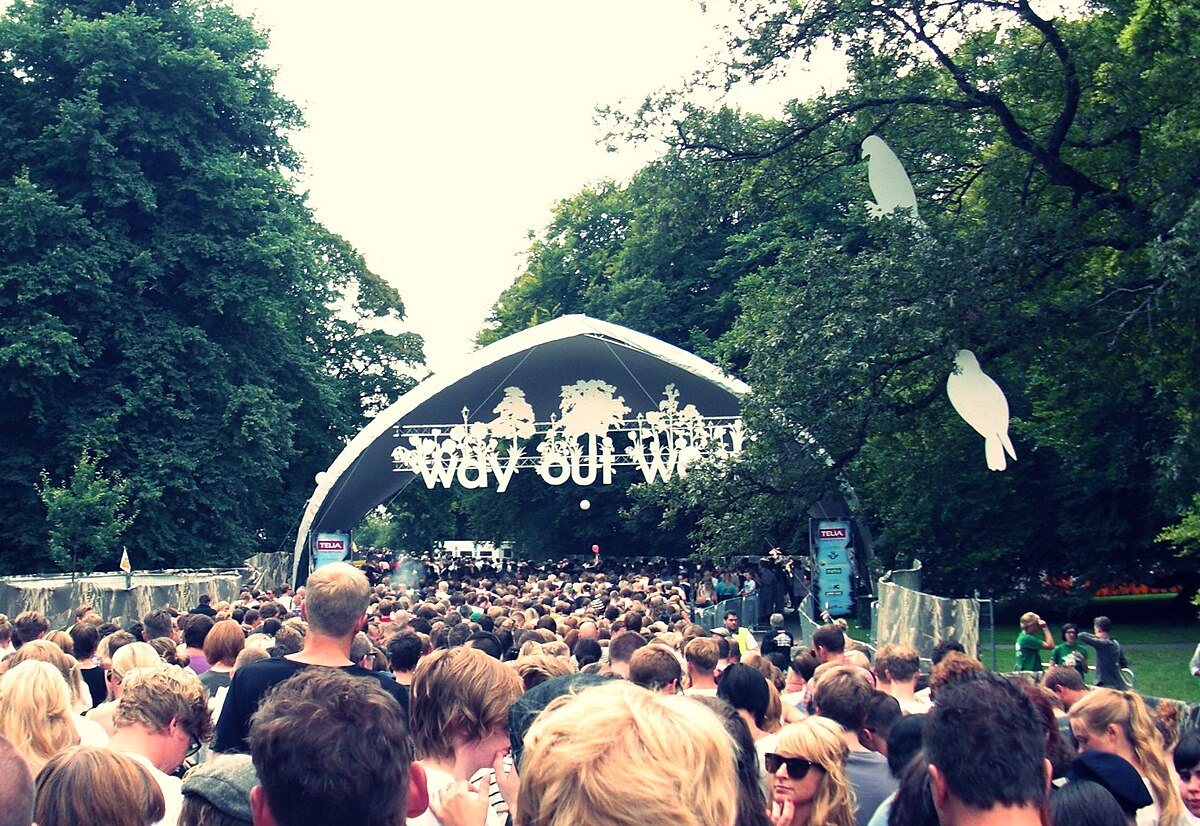
Way Out West in Gothenburg takes place in late summer as autumn begins to arrive. The setting in Slottsskogen park is stunning, with nature transforming around the festival grounds as the season changes.
Sustainability is at the heart of the festival. Every food option is vegetarian, energy is renewable, and waste reduction is a serious focus. Beyond the good intentions, the food itself is some of the best I have ever had at a festival.
The lineup covers everything: electronic music, indie rock, hip hop, and pop acts all share the stages. I loved discovering Swedish artists I had never heard of alongside big international names.
My favorite moment was an intimate acoustic set in the forest stage area. The sun was setting through the trees, the air was cool, and the natural acoustics made the music sound otherworldly.
9. OFF Festival - Katowice, Poland
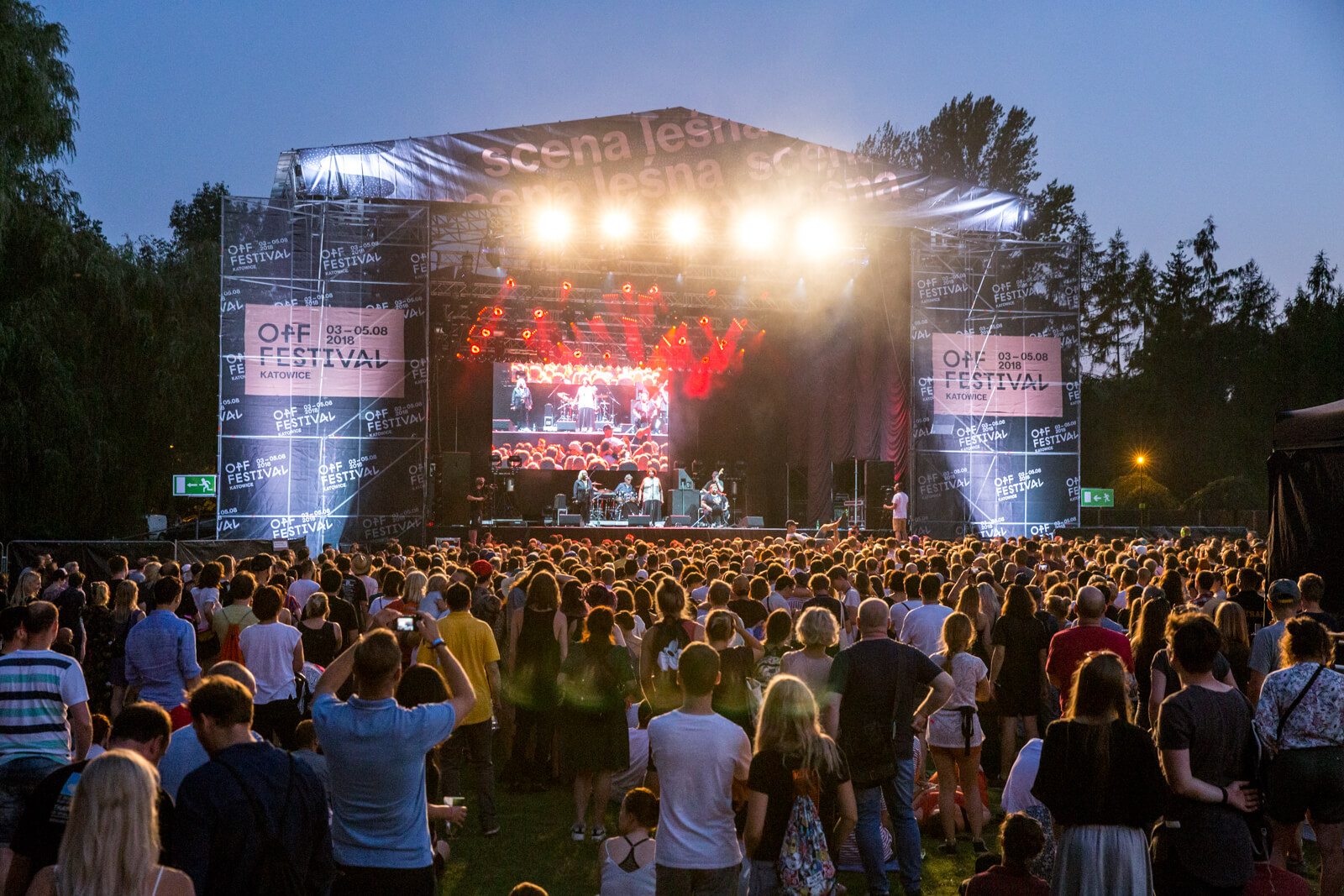
OFF Festival in Katowice showed me how exciting Eastern Europe’s music scene can be. It happens every August on an abandoned airfield, which creates a raw post-industrial setting that fits the experimental programming perfectly.
Three main stages spread across the grounds keep things easy to navigate while still maintaining a close, intimate atmosphere. I could move between sets quickly without missing the energy.
Polish audiences brought so much life to every performance. Their enthusiasm was contagious, and even artists commented on how special the connection felt. I discovered several Polish indie bands here that became instant favorites. I loved how local acts shared equal billing with international names.
10. Dimensions Festival - Pula, Croatia
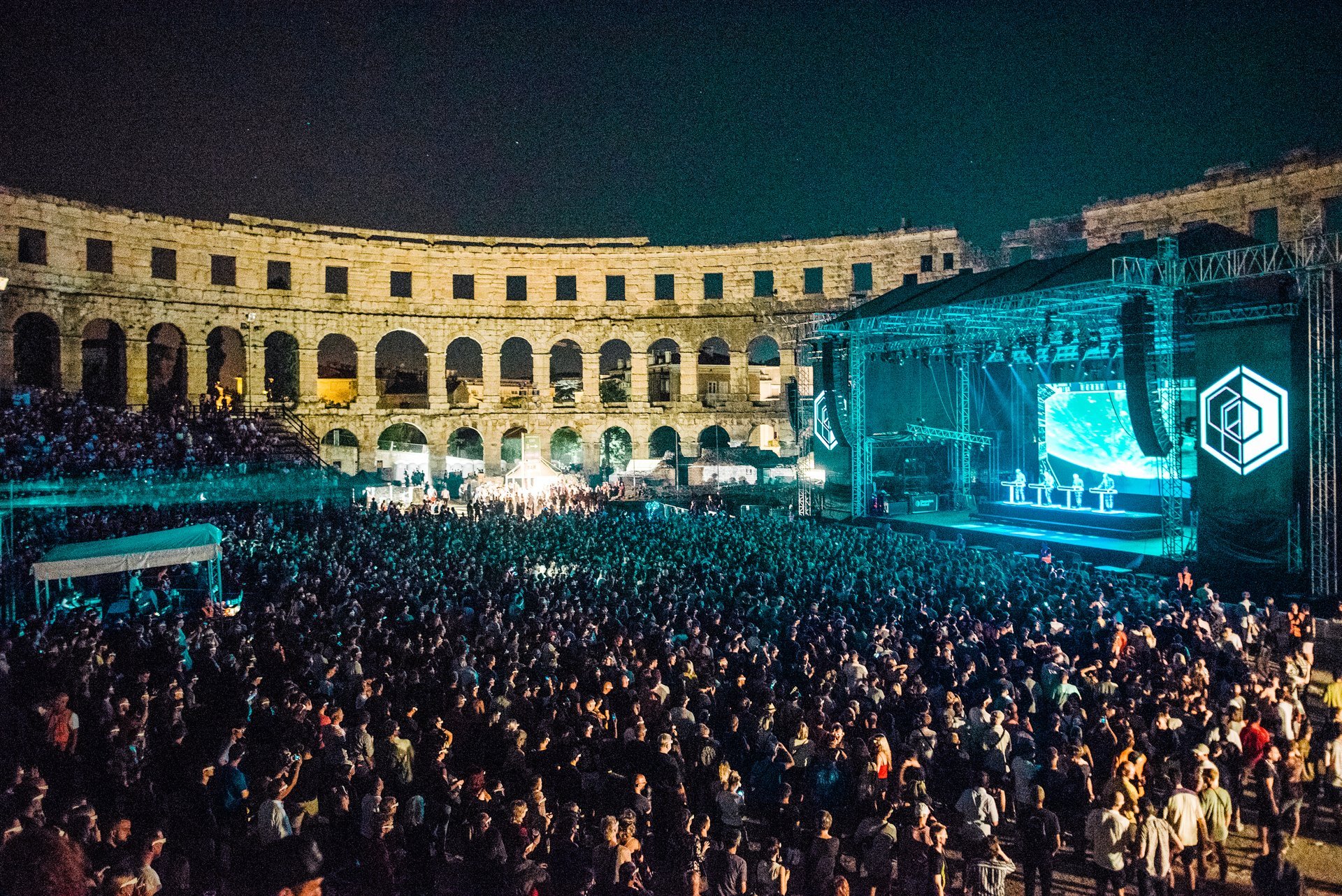
Dimensions Festival in Croatia might be the most unique electronic music gathering I have ever attended. It takes place in late summer as September begins, set inside an abandoned fort with stages on nearby beaches.
The Roman amphitheater stage left me speechless. Dancing to electronic music inside a 2,000-year-old venue while Mediterranean winds cooled the air felt completely surreal. The acoustics, originally designed for voices, worked perfectly for modern sound.
During the day I joined boat parties on the Adriatic, listening to DJs while sailing past stunning coastlines. At night I returned to the fort for deep, powerful sets that carried until morning.
The people also made it unforgettable. Croatian hospitality was warm and welcoming, from food vendors to staff to fellow festival-goers. I left with real friendships and lasting musical memories.
11. Bergenfest - Bergen, Norway
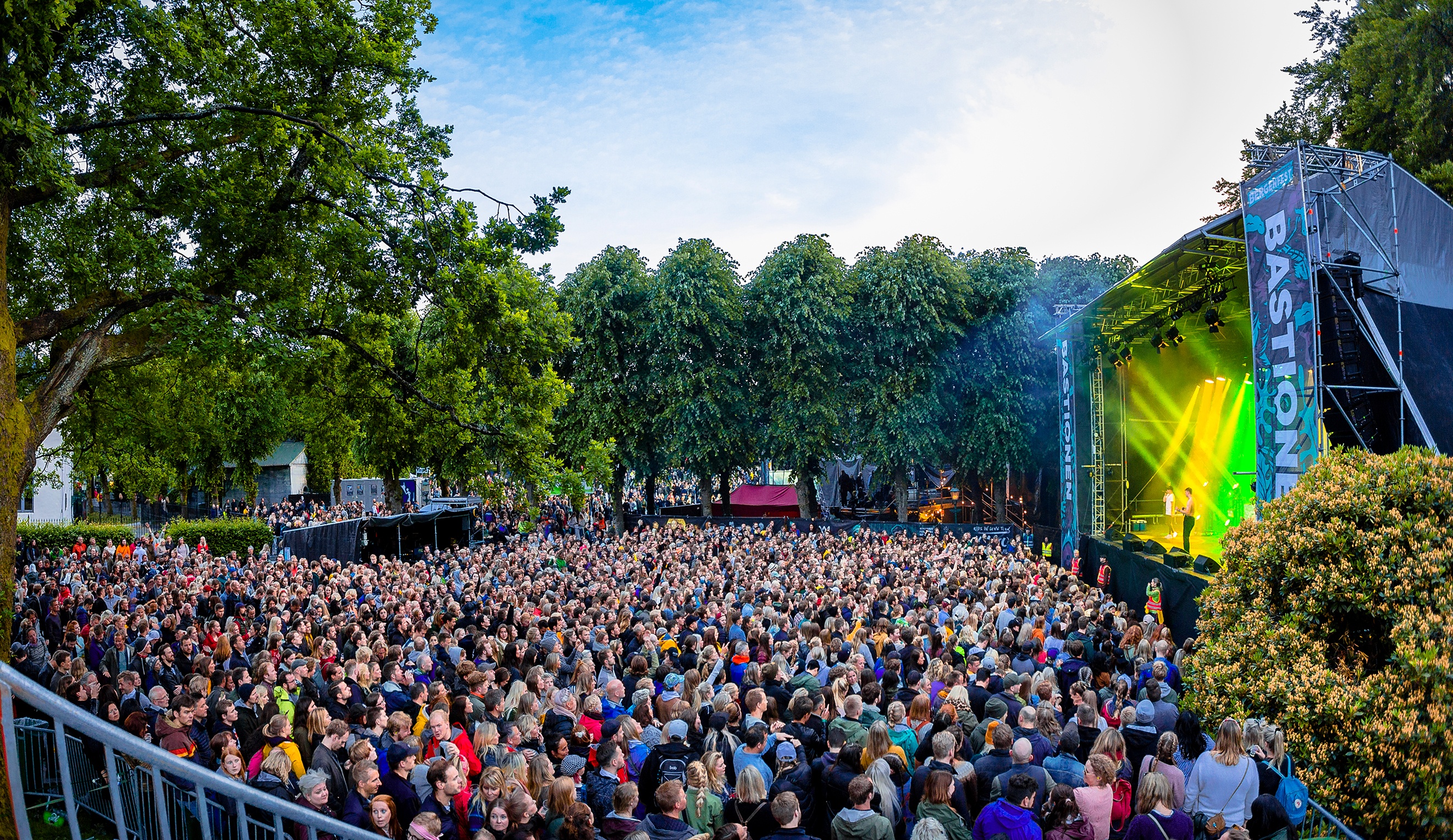
Bergenfest happens in June, but the city’s cool climate makes it feel like autumn all season long. Rain, fog, and fresh air surround the festival, creating a moody backdrop that adds to the experience.
The venue itself is a natural amphitheater framed by Norwegian mountains. Between sets I would stop and take in the views, which were as breathtaking as the music itself.
Norwegian artists dominated my discoveries here. The local scene is bold and experimental, mixing folk traditions with electronic and modern sounds. I found several artists completely unknown outside Norway who left a lasting impression.
With around 30,000 attendees, the festival feels intimate but never small. Rain gear was essential, but somehow the weather added character instead of taking away from the fun.
12. Clockenflap’s Influence - Across Europe
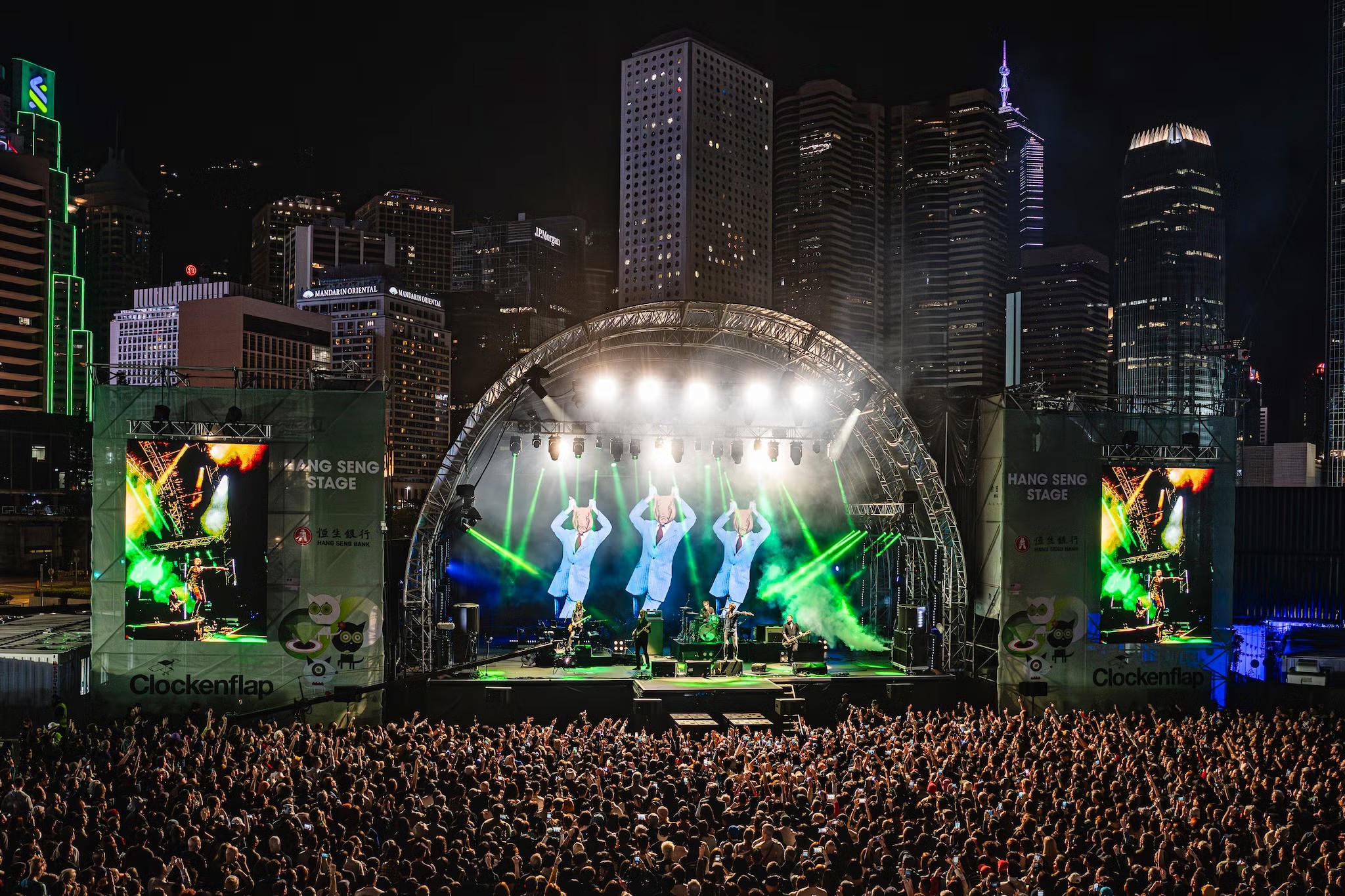
Clockenflap began in Hong Kong, but its influence can be felt in Europe too. I noticed its multi-cultural and genre-blending spirit in smaller festivals from Portugal to Estonia. Organizers have adopted its approach of mixing cultures and sounds to create more adventurous programming.
The philosophy is simple but powerful. Electronic artists share stages with folk musicians. Hip hop acts perform alongside classical performers. Audiences are encouraged to experience genres they would normally overlook.
This cross-pollination of ideas has changed how autumn festivals in Europe are programmed. It created richer, more rewarding events for people willing to step outside their comfort zones.
13. Barcelona’s Festival Season - Barcelona, Spain
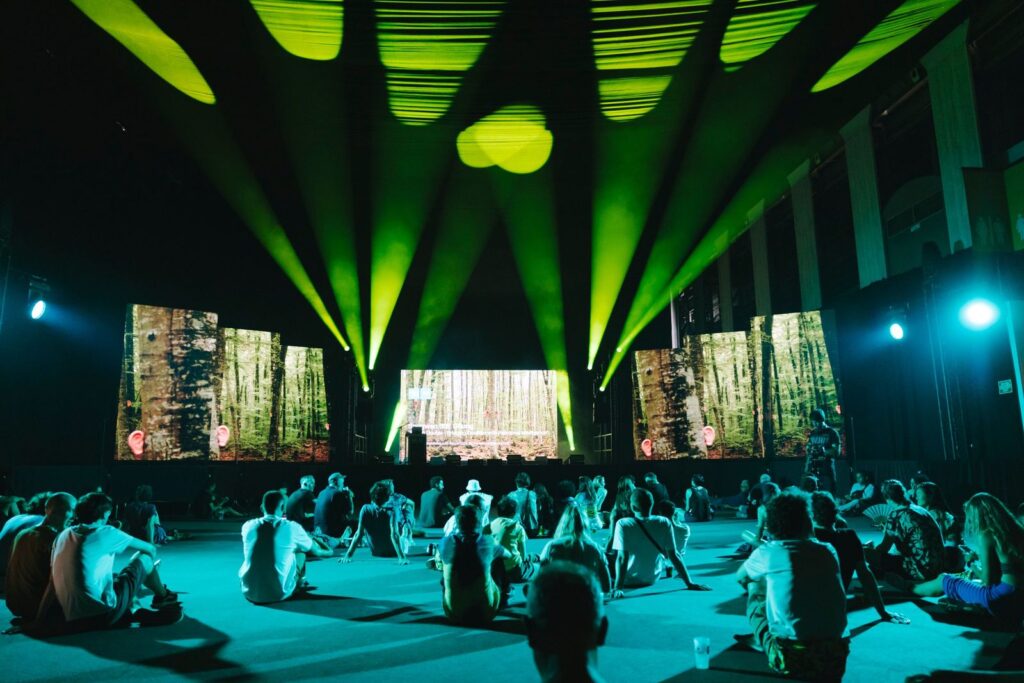
Barcelona in October transforms into a music lover’s paradise. Instead of one central event, the city hosts several overlapping festivals, each offering its own focus and style.
Sónar +D blends electronic music with digital art and technology. I spent days learning about future trends in music while experiencing cutting-edge DJ sets and live shows. BIME followed with indie and alternative lineups, giving space to both Spanish talent and international stars.
Barcelona’s incredible venues add to the magic. Each performance takes place in a different setting, from historic theaters to open plazas. Between shows I enjoyed the city’s food, art, and architecture, which made the experience feel like both a festival and a cultural trip.
Don't Miss: Best Autumn Hiking Trails In Europe
14. MIRA Festival - Barcelona, Spain
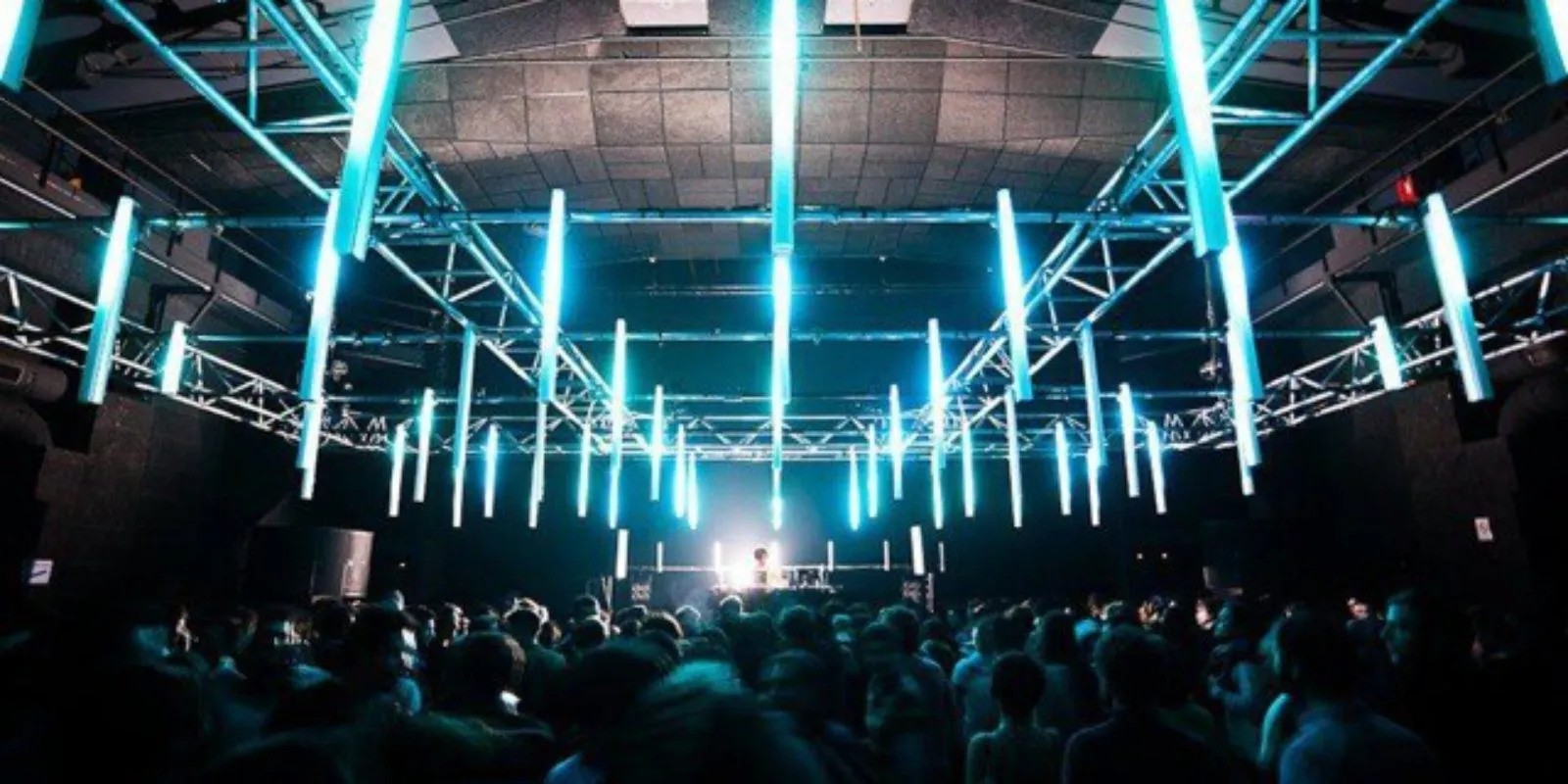
Later in October, MIRA Festival pushed me to rethink what live music could be. It focuses on audiovisual arts and electronic music, blending sound with visuals in ways I had never seen before.
Every artist used lights, projections, or interactive visuals to create immersive performances. Concerts became installations, and music became part of a larger art piece.
The venues matched the vision. Industrial spaces and modern performance halls provided the perfect environment for complex sound and light design. The quality was flawless everywhere.
My highlight was an ambient set paired with synchronized light shows. The walls, sound, and visuals became one complete experience, expanding my idea of what live performance can mean.
15. Les Transmusicales - Rennes, France
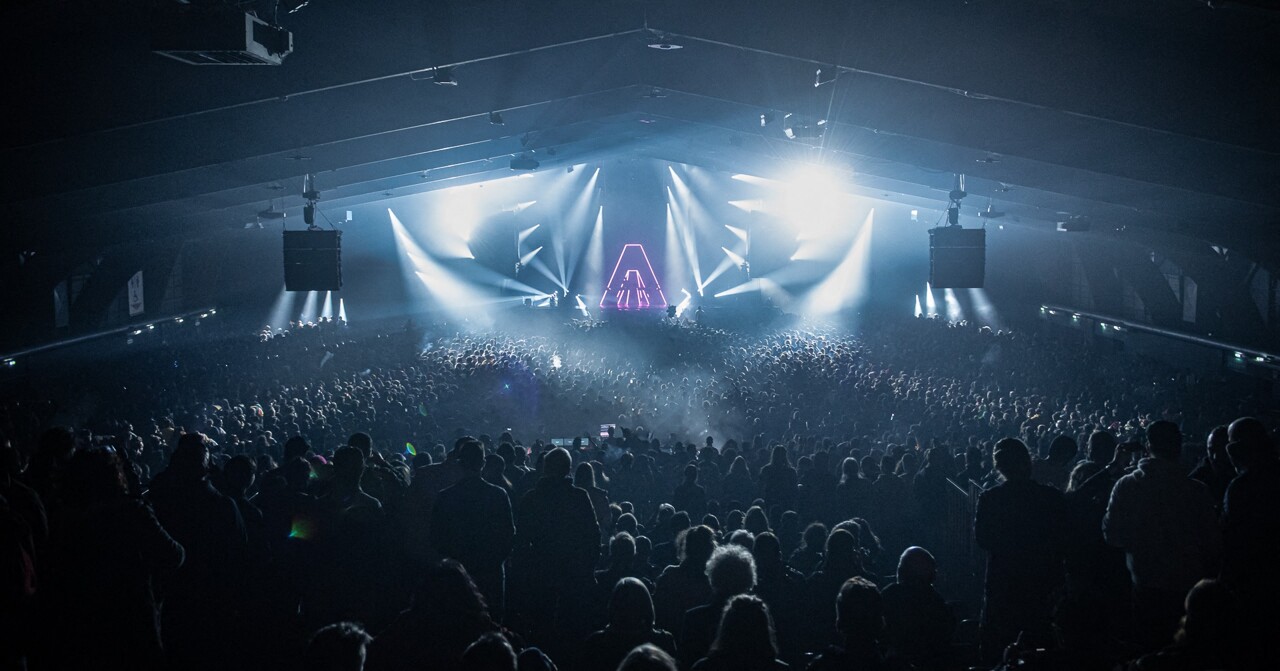
Les Transmusicales in Rennes takes place in December, stretching the boundaries of autumn but absolutely worth including. The festival is famous for discovering artists before they become stars, and my visit proved it true.
I saw performances from acts that went on to become huge names only months later. The programming team’s ability to spot future talent makes every lineup feel important.
Venues across Rennes host official and unofficial showcases, turning the town into a week-long celebration. The winter weather added to the atmosphere. I moved between warm venues and crisp night air, with hot wine and traditional French food keeping me energized.
What Makes Autumn Music Festivals Special
After going to dozens of autumn festivals across Europe, I’ve realized what makes this season feel so magical for live music. The mix of cooler weather, smaller crowds, and bold programming creates experiences that summer festivals cannot match.
Weather is one of the biggest advantages. The cooler air makes dancing comfortable without the exhaustion of summer heat. I can go to multiple shows in a day and still have energy left. The crisp atmosphere even improves the sound in crowded venues and feels like natural air conditioning.
Smaller crowds also change everything. Without the massive summer rush, autumn festivals feel more personal and community-driven. I’ve had real conversations with fellow music lovers and even artists that turned into lasting friendships.
The programming in autumn is often more creative. Organizers book artists for their talent and originality rather than just commercial appeal. Because of this, I’ve discovered some of my favorite new acts during this season.
Planning Your European Autumn Festival Adventure
After years of autumn festival hopping, I’ve learned how planning can turn a fun weekend into a life-changing music journey.
Preparing for the weather is key. I always pack layers instead of heavy coats so I can adjust as the day changes. Waterproof shoes have saved me many times, and a light rain jacket is perfect for outdoor events.
Booking accommodation early is another lesson I’ve learned. Popular festivals like ADE or Iceland Airwaves sell out fast, so I now reserve hotels and flights months in advance. Smaller venues mean fewer tickets, which makes early planning even more important.
Budgeting works differently in autumn. Flights and hotels often cost more because it’s a peak travel season, but the festival tickets are usually cheaper than summer events. Food and drinks can vary a lot depending on the country, so I always leave room in my budget for surprises.
Traveling between cities is easier at this time of year. Trains run on time more often, and airports are less crowded than in summer. By planning smart routes, I’ve been able to attend more than one festival during a single trip.
And if you’re open to different genres, don’t miss smaller showcases that highlight the transformative power of classical music on the mind. Many autumn festivals now experiment with mixing classical sets into their lineups, creating moments of real reflection between the louder shows.
Frequently Asked Questions
What Should I Pack For Autumn Music Festivals In Europe?
Always pack layers instead of heavy clothes. Waterproof shoes, a warm hoodie, a light rain jacket, and comfortable walking shoes are essentials. Nights can get chilly, so bring a small backpack for layers and a portable charger for long days.
Are Autumn Festivals More Expensive Than Summer Events?
Tickets usually cost less in autumn, but flights and hotels are more expensive during peak travel season.
Which Countries Host The Best Autumn Music Festivals?
The Netherlands are favorites, with ADE and Le Guess Who?.
How Do I Discover New Artists At Autumn Festivals?
Research lineups ahead of time and listen to names you don’t recognize. At the festivals, always explore smaller stages since they often showcase the most exciting new acts.
What Makes Hip Hop Festivals In Autumn Different?
Cooler weather keeps both performers and crowds energized. Many events use indoor venues, which improves acoustics for rap vocals and heavy bass.
Can I Attend Multiple Festivals During One European Trip?
rains and short flights make it easy to move between cities, so with careful planning you can fit two or even three festivals into one trip.
Conclusion
Autumn festivals offer something summer ones can’t. These festivals shaped how I see European music and gave me memories I’ll never forget. The events I’ve shared are just the beginning of what autumn can offer if you dive in fully. Now is the time to plan your own autumn festival trip. Once you feel the magic of autumn festivals, summer ones will never compare.
You Might Like: Unforgettable Autumn Adventures In Wales To Experience This Year